NEW!
Fax from ChatGPT, Claude, Gemini or Cursor — new API & MCP server
Is Fax Still Used in 2026?
Yes. Fax is still used in 2026, and heavily – US healthcare, law firms, Japanese government offices, and German hospitals still send millions of pages a year.
Who’s still faxing in 2026:
- Japan – government offices push millions of pages through fax every single day
- Germany – hospitals and agencies treat a fax as legally binding, where an email isn’t
- US healthcare – patient records and prescriptions move by fax to stay inside privacy rules
- Law firms – court filings and signed contracts, where a confirmation page is the paper trail
- South Korea – fax is still stitched into official and everyday life
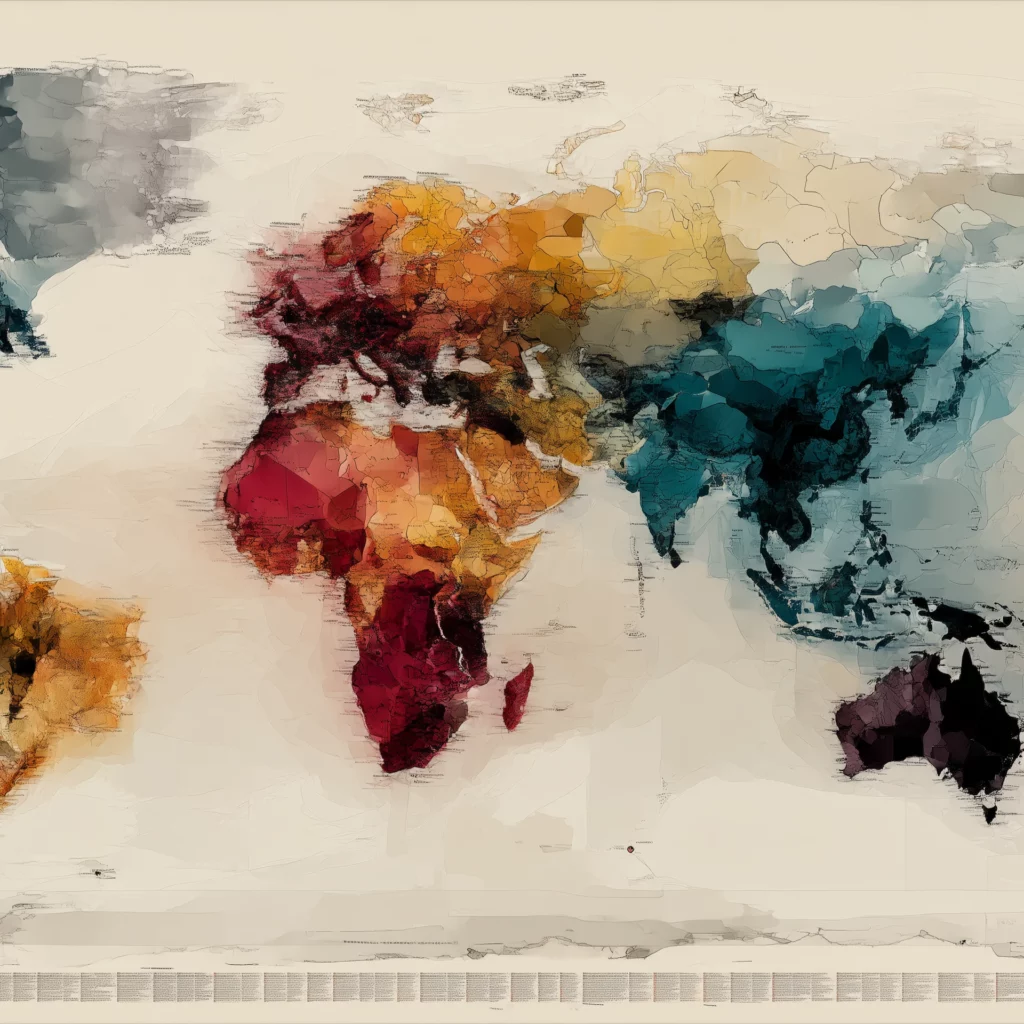
Countries Obsessed With Fax
Some countries didn’t just keep fax alive, they built modern life around it. Why does an advanced economy still run on a machine from the 1980s? The answers have less to do with being behind and more to do with trust, law, and habit, and they’re stranger than you’d guess.
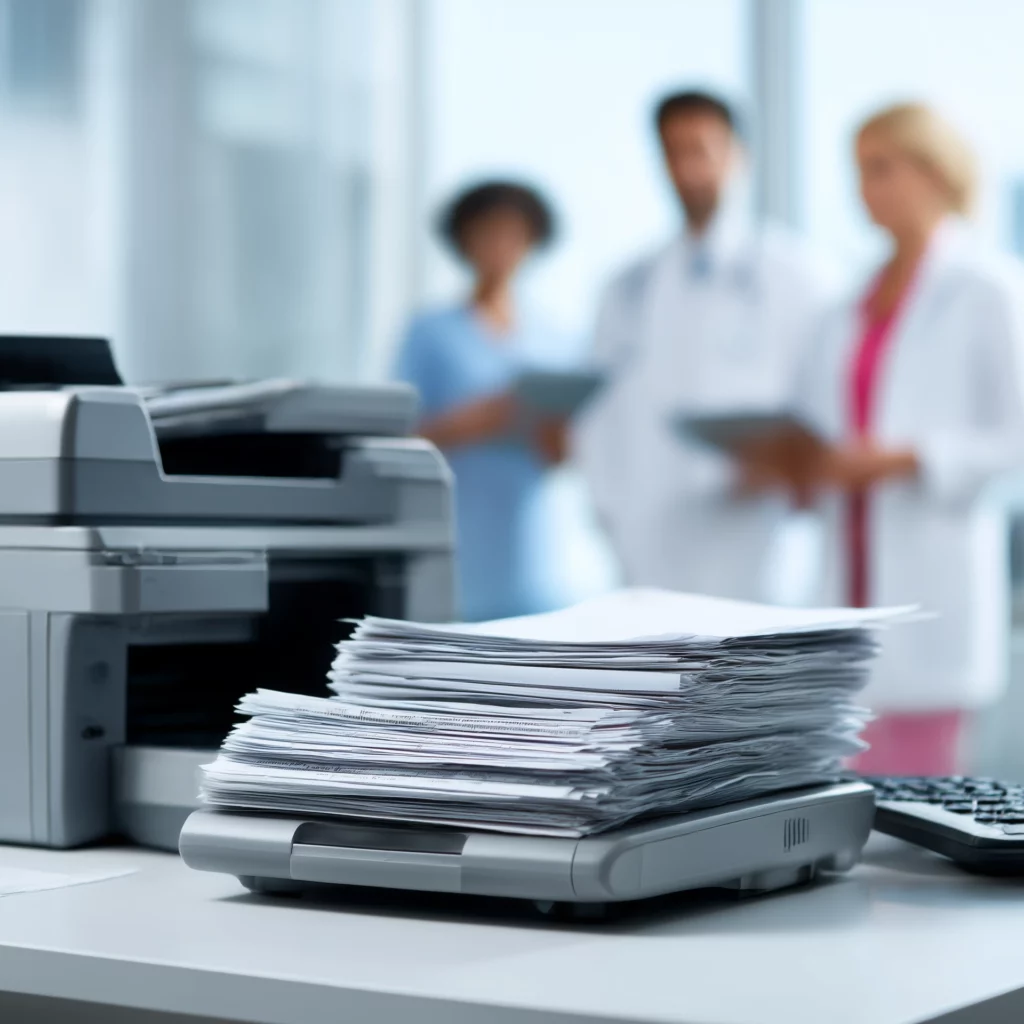
Industries That Won’t Quit Fax
It’s easy to assume every business moved to email and the cloud years ago. The ones that didn’t made a deliberate choice, and their reasons (liability, instant confirmation, a record that holds up in court) are far more convincing than “they never upgraded.
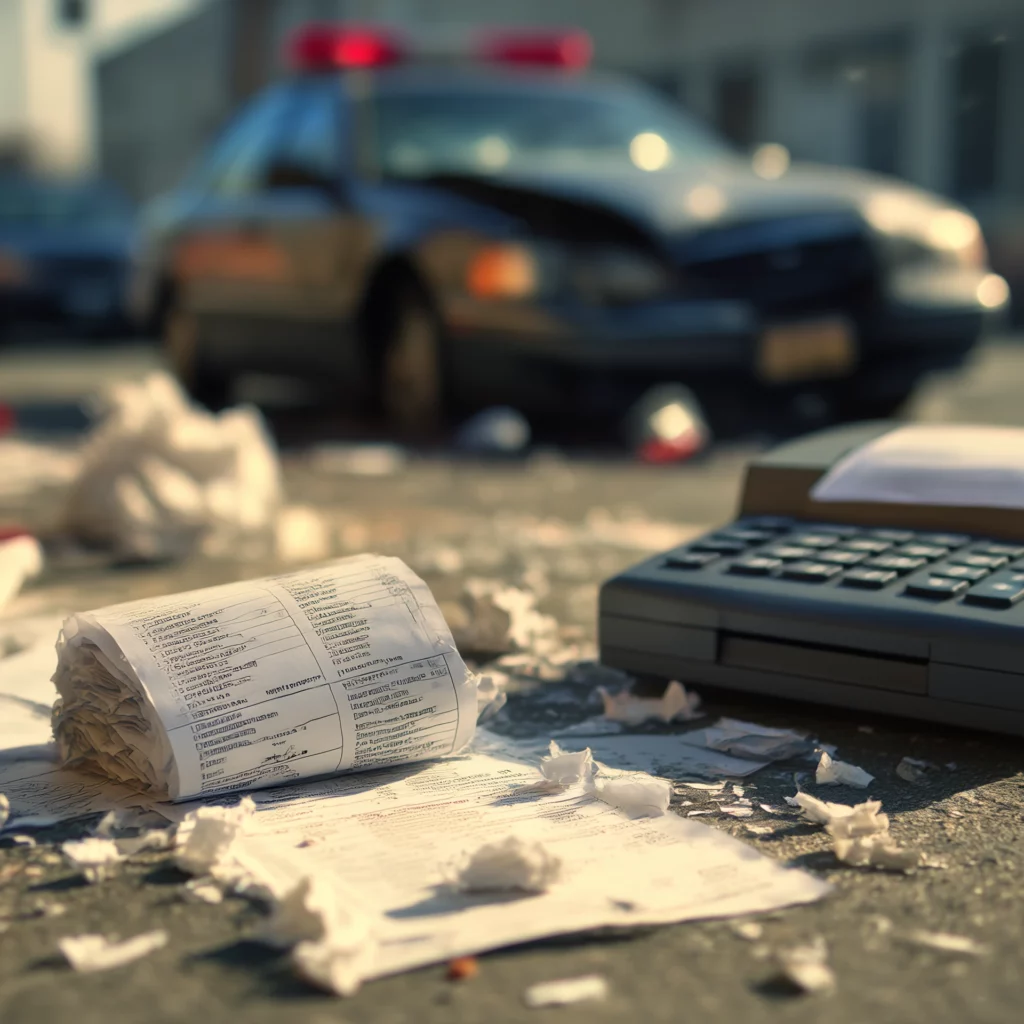
Fax Disasters That Cost Millions
$5 million legal bills. $500K in fraud. 183 lost immigration requests. When a fax fails, the price is brutal and entirely real, not a scare tactic. These are the breakdowns that made headlines, and the lessons behind them.

The Strangest Fax Stories
Most fax stories are contracts and medical records. The rest are gloriously weird: wildlife sent as documents, a dinner invitation that sparked an international incident. Proof that even the dullest technology can become a stage for the extraordinary.
Does anyone still fax in 2026?
Apparently, entire industries and countries do. Here’s a list of questions and answers on the technology that refuses to let go.
Do people still use fax machines?
Absolutely! Fax machines continue to be an essential tool in various sectors like healthcare, law, and government, offering benefits such as security and regulatory compliance. Their unique features, including confirmation pages and the ability to transmit handwritten characters, make them indispensable in certain situations.
Are fax machines still relevant in 2026?
Fax machines continue to be used worldwide, with countries like Japan being one of the top users due to cultural preference for paper documents. Certain industries, such as healthcare and law, heavily rely on fax machines for secure document transmission. Despite digital advances, a 2021 study found that an astounding 46% of US small businesses still used fax machines1.
Are fax machines becoming obsolete?
Despite the surge in technological advancements, fax machines are not entirely obsolete. They serve an important role in the secure transmission of sensitive documents, providing security that emails might not offer. They are particularly essential in regions with slower internet speeds or unreliable digital infrastructure, such as rural areas.
Why are fax machines still used in 2026?
Companies across diverse sectors, including healthcare, law, government, and even technology, continue to rely on fax machines for communication. Although they are older technology, fax machines bring a host of benefits to modern-day communication scenarios. Here are some compelling reasons to use fax machines and faxing technology:
Reasons fax is still in use
- Confirm receipts with confirmation pages: A fax confirmation page offers undeniable proof that your message reached its destination, minimizing the risk of lost communications.
- Strengthen security: Faxing protocols come equipped with robust security measures, making it a safe harbor in a world vulnerable to hacking and data breaches.
- Comply with patient privacy rules: Use faxing as a US HIPAA-compliant method for sharing Protected Health Information (PHI), a top choice among medical professionals.
- Streamline paperwork: With many offices and healthcare facilities still relying on paper, faxing offers an efficient channel for transmitting records and forms.
- Share medical records across incompatible systems: Faxing lets you send medical information without worrying about system incompatibility, making it a go-to choice in healthcare.
- Simplify compliance with regulations: Meet regulatory guidelines and government requirements effortlessly by integrating fax into your documentation processes.
- Keep the conversation going during internet outages: Use faxing as a reliable backup when the internet fails, ensuring your communications never skip a beat.
- Build solid legal paper trails: In the legal field, faxing offers an effective way to establish paper trails crucial for discovery processes.
- Transmit handwritten characters: Send handwritten Japanese, Chinese, and Korean characters without the digital hassle.
- Send physical signatures: With faxing, sending signed documents becomes a breeze, especially when a hand-signed signature is mandatory.
- Beat the email black hole: A fax is harder to ignore or lose than an email that slips into a spam or junk folder.
Who are the main users of fax machines today?
In Japan, fax machines are commonly used in homes due to the preference for handwriting and paper documents. Legal professionals often use fax machines to transmit signed legal documents and contracts. Meanwhile, healthcare workers resort to fax machines for transmitting patient records and prescriptions due to privacy regulations.
Sources
- The Most Surprising Fax Machine Usage Statistics And Trends in 2023
- https://www.afax.com/why-is-faxing-still-relevant-in-2021
- https://faxauthority.com/why-is-faxing-still-used/
- https://theconversation.com/why-do-people-still-use-fax-machines-109064
- The State of Fax: A survey on current fax usage, satisfaction and issues [PDF download]