NEW!
Your AI assistant can prepare your fax

Does Anyone Still Fax in 2026?
Which countries still use fax – and why?
In 2026, Japan’s ministries process millions of documents by fax daily, Germany’s federal government still operates 1,400 fax machines, and South Korea’s National Assembly takes bomb threats by fax – because email leaves no paper original to forensically trust. These aren’t holdouts who missed the memo. They’re some of the most tech-fluent governments on earth, and each has decided fax still solves a problem nothing else does. This page is the country-by-country tour: where fax persists, and the surprisingly specific reasons it does.
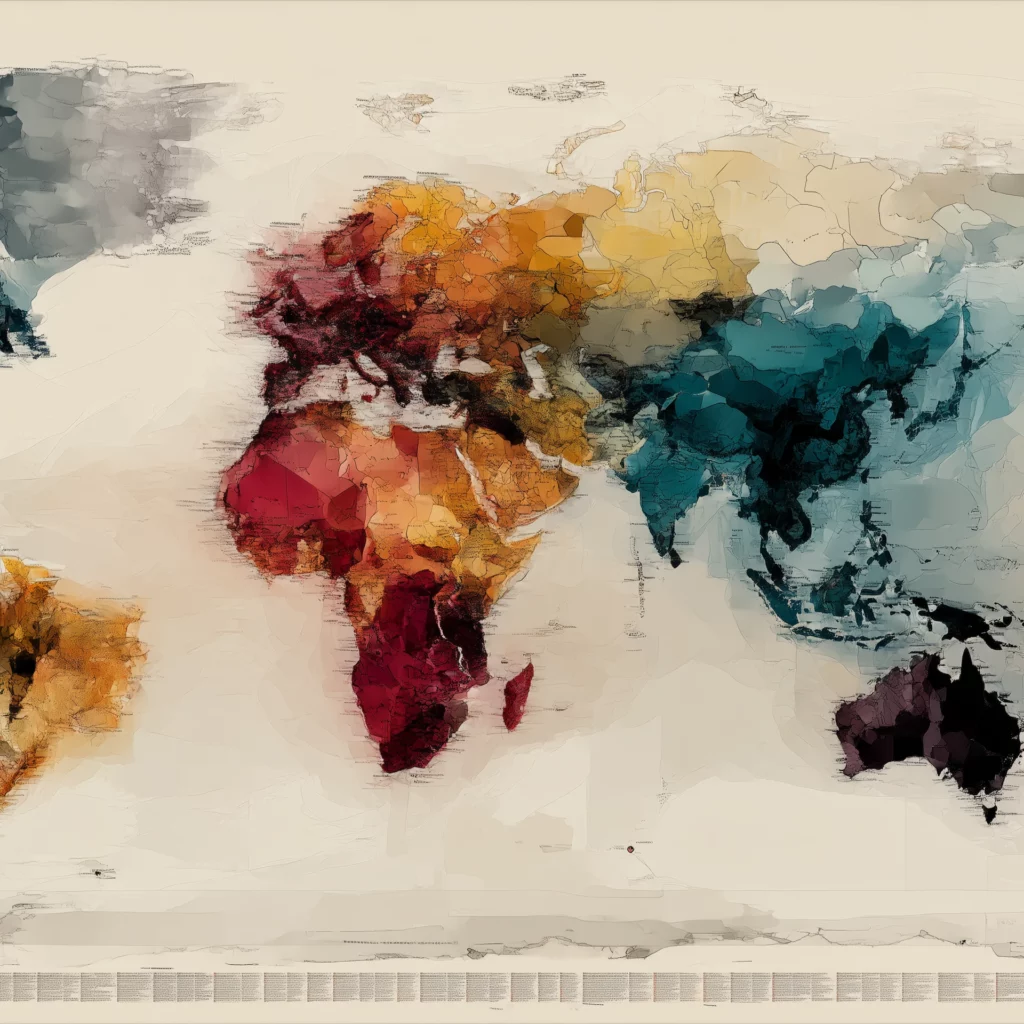
Latest country reports
Fresh dispatches on where fax is still the default channel
-
Why Nigeria still runs on fax
Nigeria’s live fax rail sits mostly outside Nigeria. Consulates in London, New York, and Atlanta publish fax numbers to run diaspora paperwork on schedule.
-
Why Saudi Arabia still runs on fax
Saudi Arabia’s live fax rail runs at the MOFA attestation seam and the consular network abroad. The Kingdom digitised most of the rest through Vision 2030 platforms.
-
Why Thailand still runs on fax
Thailand still runs on fax at three institutional seams: its financial regulators, its sub-district administrative offices, and its consular network abroad.
-
Why Vietnam still runs on fax
Vietnam still runs on fax where a sealed page has to travel between offices. The con dấu is the legal artifact, and fax moves it in seconds without a courier.
-
Why Taiwan still runs on fax
Taiwan makes the world’s chips and still faxes its lab results. Many offices still want signed or stamped paperwork, and fax moves those pages between them.
-
Why Egypt still runs on fax
Egypt still runs on fax because a stamped paper is the legal artifact, and a fax delivers it in seconds without a courier the state has to trust.
Where fax still rules – country by country
Six countries, six different reasons fax refuses to die. Pick one.
Japan
Japan retired the floppy disk before it retired the fax. When the Digital Agency tried to do both, ministry workflows pushed back. Hospitals, banks and city halls still send by fax – not because Japan can’t do email, but because the signed, paper-trail original is the document that legally matters. Read the ministry pushback story →
Germany
Germany’s federal ministries still operate 1,400 fax machines in 2026, even after a decade of digital-first rhetoric. The legal status of a faxed signature, GDPR risk on every alternative, and a procurement culture allergic to new vendors all keep the dial tone alive in the Bundestag basement. See the Bund’s 1,400-machine count →
South Korea
South Korea’s National Assembly takes its bomb threats by fax. It’s not nostalgia – for adversarial communications, a fax leaves a tamper-resistant paper original that email can’t. The same logic keeps fax inside Korean ministries, courts and hospitals long after the rest of the office stack went cloud-native. The Seoul Sunday bomb-thread story →
United Kingdom
The UK was supposed to be done. The NHS banned new fax purchases in 2018, ministers set a sunset, and then Northern Rail was caught faxing into 2024 anyway. Deadlines keep slipping because the receiving end – a magistrate, a referring doctor, a council legal team – hasn’t moved. Why Britain’s fax farewell keeps being deferred →
Croatia
In 2022 a Croatian minister proudly described fax as the country’s cutting-edge inter-ministry channel – and meant it. Smaller EU states often run the same calculus: fewer compliance moving parts, fewer migration projects, and a piece of paper everyone in the building already knows how to file. “Cutting-edge” in Zagreb, explained →
Australia
Australia’s hospitals still fax referrals because the alternative – pulling every clinic, pharmacy and aged-care home onto a single secure messaging standard – is the harder problem. Until the receiving end goes digital, the sender keeps a fax line plugged in next to the printer. Inside the Australian healthcare fax conundrum →
Need to send a fax to one of these countries?
The fax line they kept is still the fax line you can reach
✴
Skip the fax-machine hunt
No machine, no line rental, no driving across town looking for a working one
✴
Send to any country
Reach Japan, Germany, Korea and the rest without an international line
✴
Get a signed PDF on the line
Send the same paper-trail original these governments insist on – from a browser
✴
Pay per fax, not per month
One-off send, no account, no subscription – the way these systems were meant to work
Got a fax to send to one of these countries?
The reasons Japan, Germany and Korea kept their fax lines are the same reasons your fax will land. No machine, no subscription. Just send it.
